
Reviewed · VANG VIENG KAYAKING TOURS
Nong Khiaw: 2-Day Trekking,Hmong village,Home Stay&Kayaking
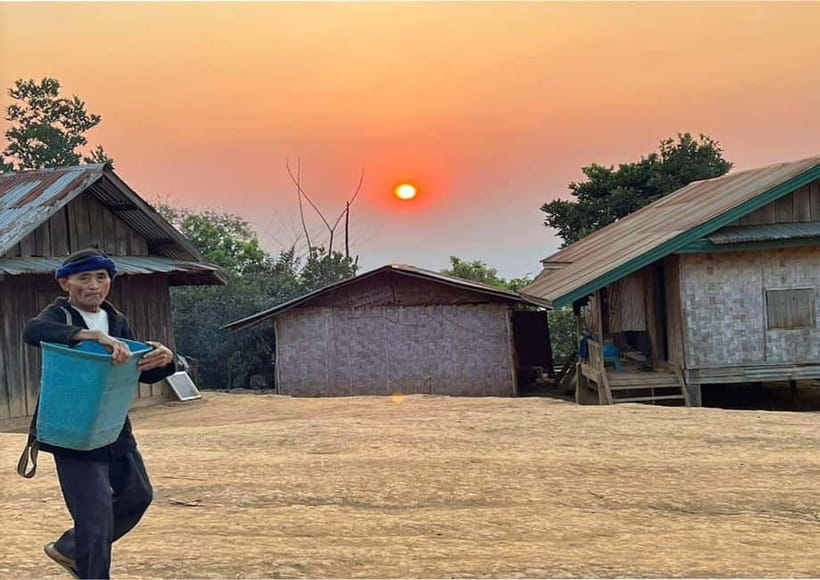
The best part of this two-day trip is the way it links remote village life with the Nam Ou River. You walk through countryside and primary forest, share a meal with villagers, sleep in a village home, then trade your boots for a kayak and drift past fishermen, water buffalo, and birds.
I like the bamboo handicraft lesson and the overnight stay, since both give you more than a quick look at rural Laos. I also like the mix of walking, swimming, village visits, and river travel. The main caution is the moderate to challenging trekking, which can be tough if you have mobility issues or dislike uneven forest paths.
Key points at a glance
- A real two-day route: You visit Ban Naluang Lao, Tai Lao, Khmu, and Hmong communities rather than stopping at one staged attraction.
- Guide Bick matters: Bick, also written as Bic in some booking details, is praised for explaining local land, people, and history in clear, friendly ways.
- A village night: Dinner, cooking, and an overnight stay bring you closer to daily life than a standard day trip.
- Hands-on bamboo work: You learn a simple local craft with help from a villager.
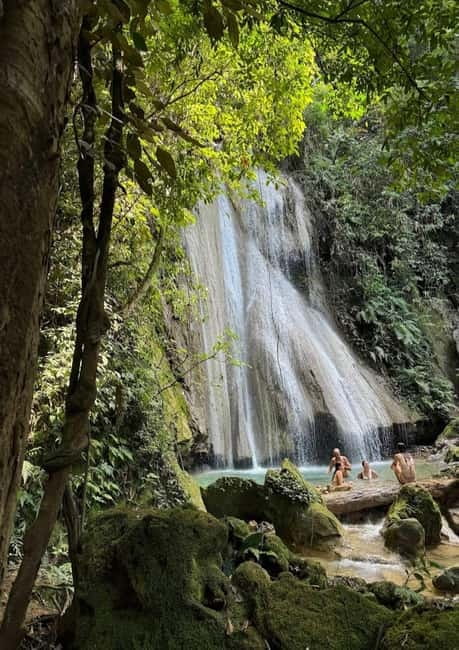
- Waterfall to river: Swim at Tad Mork Waterfall, then kayak quietly down the Nam Ou.
- Come prepared: Bring sturdy shoes, water, insect repellent, sun protection, and swimwear.
Why this Nong Khiaw trip feels different
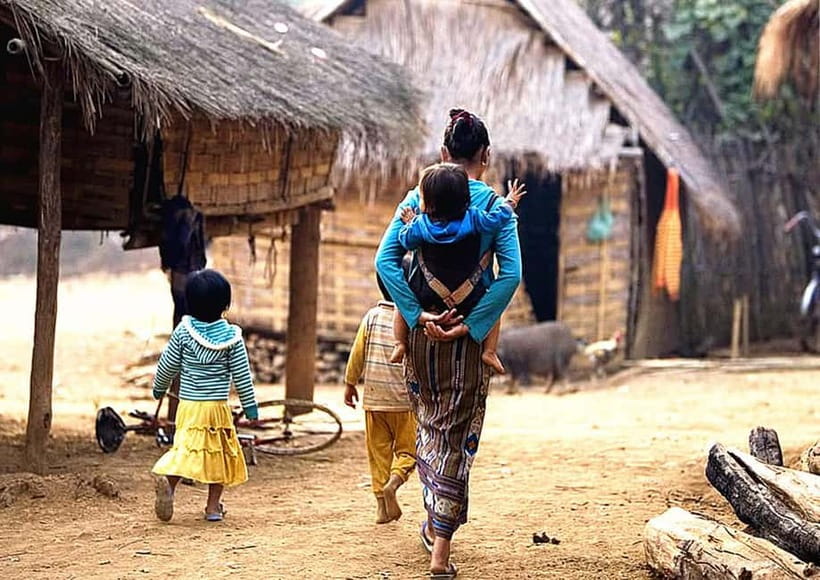
Nong Khiaw is known for its dramatic hills and the Nam Ou River, but it is easy to see only the postcard version of the area. This trip takes you away from the main town and into villages where people are going about ordinary routines.
That is the appeal. You are not simply driven to a viewpoint, given a short photo stop, and returned before lunch. The route asks you to walk, listen, eat, sleep, and take part. You get a clearer sense of how the countryside connects villages, forest, farmland, and river.
The schedule also has a good change of pace. Day one is mainly about walking and village contact. Day two adds a boat ride, a cave, a viewpoint, a waterfall, and kayaking. You get plenty to do, but the river section gives the trip a calm finish.
The experience costs $80 per person. That includes a local guide, transport by tuk-tuk at the start, meals, village accommodation, trekking, the craft workshop, swimming, and kayaking. For two days of activities and a night away from Nong Khiaw, that is a fair package, especially if you value local contact more than polished facilities.
The price does not include tips or personal expenses. Carry a little money for your own needs, but do not expect the trip to revolve around shopping or sales. The village visits are presented as everyday community stops, not a chain of commercial demonstrations.
More nong khiaw tours in Laos:
- Luang Prabang to Nong Khiaw: River Cruise, Hike & Waterfall
★ 4.4 · 53 reviews - Nong Khiaw to Luang Prabang, Mekong & Nam Ou River Cruise
★ 4.6 · 33 reviews - Nong Khiaw: Muang Ngoi, View Point, Water Fall and Kayaking
★ 4.8 · 26 reviews
Day one: tuk-tuk roads and village paths
Your first morning begins with pickup in Nong Khiaw. The company collects from hotels or other locations within about five kilometers of town, so you need to be ready at the agreed spot. A tuk-tuk takes you out toward the more remote villages.
The exact timing depends on availability, but you should think of day one as a full outdoor day. Wear your walking clothes from the start and keep your water, sunscreen, camera, and snacks close by. You will not want to bury them under luggage.
The route includes Ban Naluang Lao, as well as Lao, Khmu, and Hmong communities. The names and village descriptions are presented slightly differently in the supplied details, but the central point is clear: you visit several small communities and see different local traditions within the Nong Khiaw area.
Expect a mixture of village walking and countryside trekking. You may meet children greeting you, see residents handling their normal tasks, and notice that the setting feels much less arranged for sightseeing than a formal cultural attraction. That is valuable, but it also means you should behave as a respectful visitor. Ask before taking close-up photos, keep your voice down, and follow the guide’s lead.
Learning bamboo craft in Tai Lao
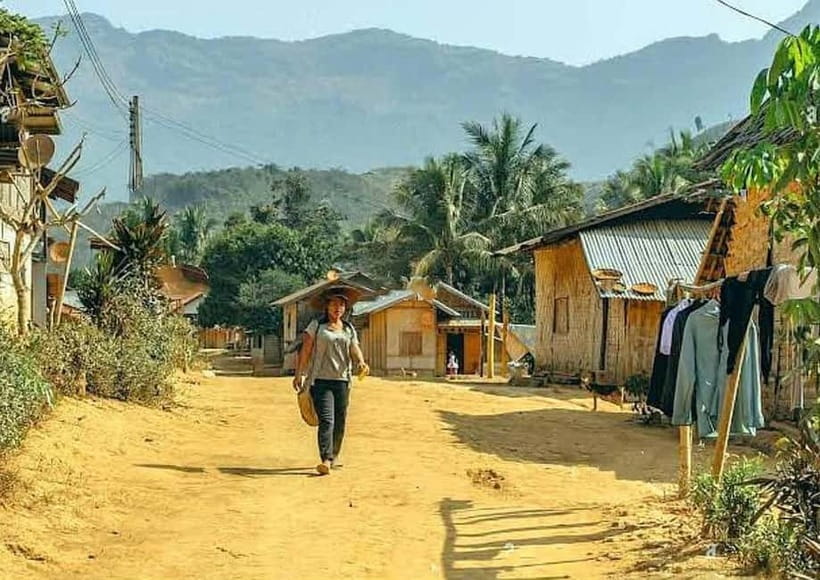
After the first walking section, you stop for lunch and spend time exploring the village. The meal is included, though the supplied details do not specify a set menu. You should expect simple local food rather than restaurant-style choice.
The craft session is one of the most useful parts of the day. A local villager shows you how bamboo is used to make handicrafts. This is a small activity, but it gives you a practical way to understand the material and the work behind objects that can otherwise seem like mere souvenirs.
I prefer this sort of demonstration to a quick explanation because your hands are involved. Bamboo is part of daily life across much of Southeast Asia, and working with it helps you see the patience and skill involved. Do not expect a long professional workshop or a finished masterpiece. Think of it as a short, personal introduction.
The trek then continues toward Tai Lao and nearby Khmu and Hmong areas. The route passes through primary forest, so the scenery is a major part of the day. The path may be uneven, and the walking can feel demanding in hot or wet weather. Good shoes are not optional here.
One practical point: the trip information calls the trek moderate to challenging, while one person described it as tough and another found it challenging but manageable. That difference is normal for a hike, since fitness, weather, and trail conditions affect how it feels. If you regularly hike, you may find it reasonable. If you have back problems, limited mobility, or little experience on rough paths, choose another activity.
An evening with a village family
The overnight stay gives day one its strongest sense of place. In the evening, you help cook and eat with villagers before spending the night in the village.
Accommodation is simple. The information confirms an overnight village stay but does not describe room arrangements, bedding, or private bathrooms. You should book this expecting basic local lodging, not a hotel. If comfort and privacy are your main reasons for visiting northern Laos, this may feel too rustic. If you want to experience a slower rural evening, it is a strong part of the trip.
The value is not in luxury. It is in the time. A short village stop can leave you with only a few impressions. Cooking and dining together create a longer window for conversation and observation, even when language is limited.
Guide quality matters especially here. Bick, also written as Bic in some details, receives particularly warm praise for being cheerful, easygoing, and willing to explain the land, people, and past of the area. English ability may vary by guide and by subject, though, so do not assume every explanation will be equally detailed. One booking account specifically found the English difficult to understand and wanted more information about village life.
That is an important balance. Bick appears to be a major strength when assigned to your group, but the experience can depend on communication and the guide available on your date. If cultural explanation is your top priority, ask about the guide when booking.
More vang vieng kayaking tours in Laos:
- Vang Vieng: Kayaking & Cave Tubing with Zip Line/Blue Lagoon
★ 4.5 · 410 reviews - Vang Vieng: Tham Nangfar and Tham Nam Day Tour with Kayaking
★ 4.5 · 147 reviews - Vang Vieng: Day Tour with Kayaking, Ziplining, and Rafting
★ 4.5 · 30 reviews - Full day / Half Day Kayaking and Pak Ou Caves with optional sunset cruise
★ 4.5 · 24 reviews
Day two: boat ride to Muang Noi
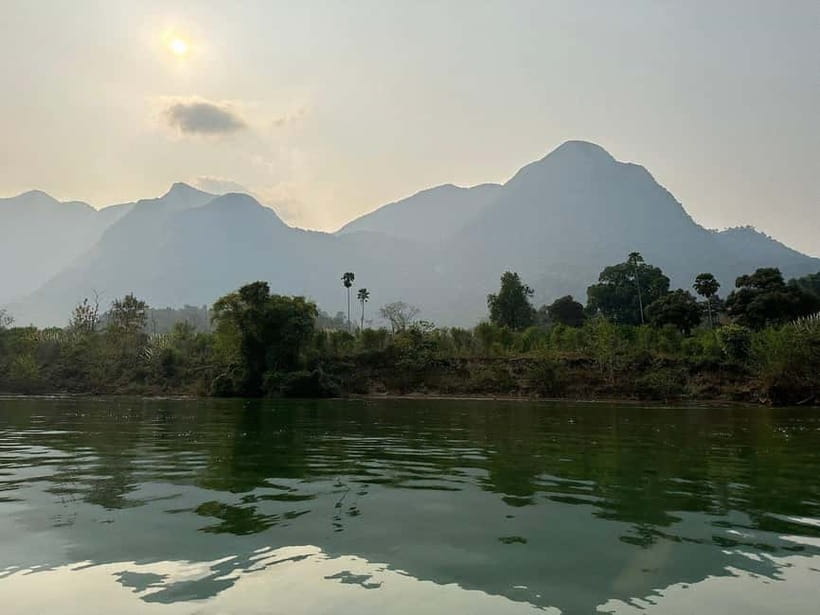
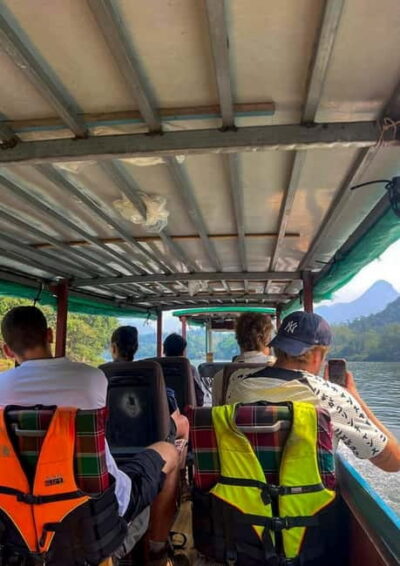
After breakfast, you take a boat toward Muang Noi village. This changes the rhythm completely. Instead of following a forest path, you see the river as a transport route connecting communities.
Muang Noi is a chance to walk around the village and take in the setting before continuing. The plan includes a historical cave and the Phanoi viewpoint. These stops add context to the scenery. You are not just looking at hills and water. You are also learning how people used the area and how the surrounding country shaped local life.
The cave visit is described as historical, but no specific name or wartime details are provided. Your guide is the person to ask for the local story. Bring a flashlight only if the operator recommends one, since no cave equipment is listed as included. At minimum, keep your footwear on and watch your footing.
The Phanoi viewpoint should appeal to anyone who likes a good payoff after a walk. The information does not give the height, distance, or exact length of the climb, so you should not treat it as a guaranteed easy photo stop. The reward is a broader view of the river and surrounding hills.
Lunch follows in the Muang Noi area before you continue to Sopkong village. Since the second day combines several stops, the schedule may feel active rather than leisurely. You will have time to see each place, but not unlimited time to linger.
Tad Mork Waterfall and a cold swim
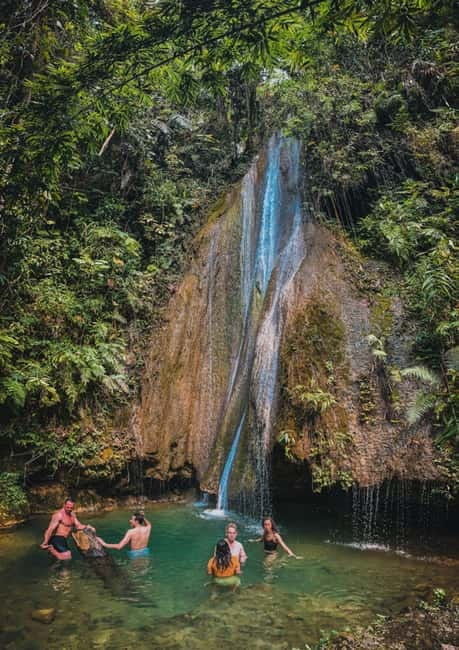
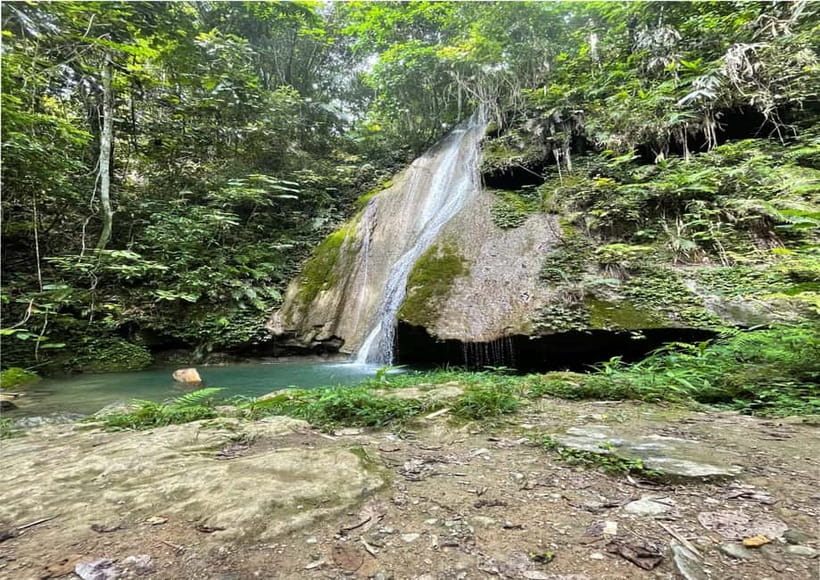
From Sopkong, you trek for about one hour to Tad Mork Waterfall. This is one of the clearest highlights for anyone who enjoys a physical day outdoors.
The waterfall pool is suitable for swimming, and the supplied information specifically recommends bringing swimwear and a towel. Water temperatures can feel cool after walking, which is welcome in Laos heat. Still, conditions can change with weather, so follow the guide’s advice before entering the pool.
The one-hour trek is not the whole challenge of the trip, but it is a useful test of your footwear and stamina. Sandals may be fine for the boat or village, yet they are a poor choice for the forest section. Wear shoes with a secure grip and bring a dry bag or waterproof pouch for phones and cameras.
This stop also shows why the tour works better for active visitors than for anyone seeking a gentle sightseeing circuit. You are walking to the water, not being delivered beside it. That effort makes the swim feel earned, but it can be tiring after the previous day’s hiking.
Kayaking quietly down the Nam Ou
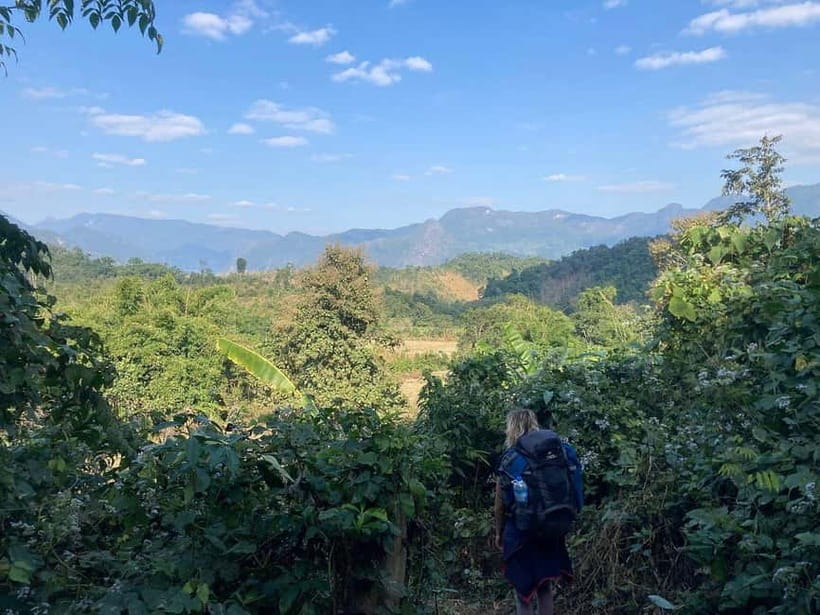
After returning to the riverbank, you begin the kayaking section downstream on the Nam Ou. This is the trip’s calmest stretch.
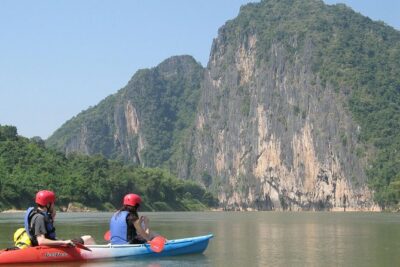
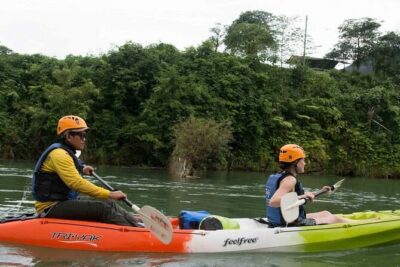
The river gives you a different view of northern Laos. From a kayak, you can look toward the banks, watch fishermen at work, spot water buffalo, and keep an eye out for bird species. The emphasis is on quiet observation, not speed or thrills.
You should not book this as a whitewater kayaking trip. The description points to a peaceful downstream paddle. It is best suited to people who want time on the water and a gentle way to absorb the surroundings after two days of walking.
The river section also adds value to the $80 price. A trek alone would give you the forest and villages, but the boat and kayak show how closely life in the region is tied to the Nam Ou. You experience the route from several angles: road, footpath, boat, and kayak.
As always, listen carefully to the safety instructions and keep your belongings secure. The provided information does not specify kayak type, safety equipment, or exact paddling distance, so those details are worth confirming before departure if they matter to you.
What the guide adds to the experience
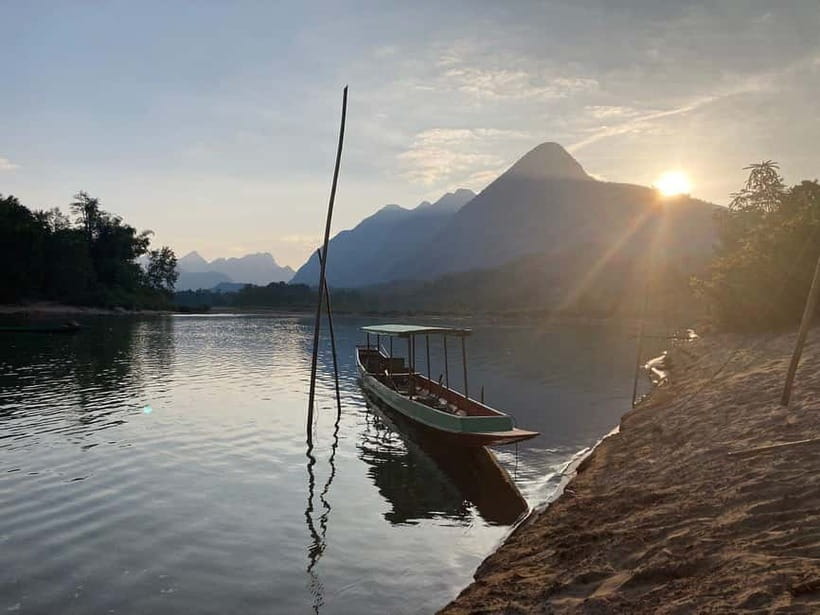
A local guide is included, and the strongest praise centers on Bick or Bic. The most useful thing a guide can do here is connect small details to a larger story: why a village is located where it is, how bamboo is used, what you are seeing in the forest, and how the river supports local life.
Bick is described as cheerful and easygoing, with a habit of teaching about the land, people, and history whenever possible. That kind of guide can make a quiet path interesting and help you understand village customs without turning the visit into a lecture.
Still, you should keep your expectations practical. English is the listed tour language, but one person found the guide’s English hard to understand and felt village life was not explained enough. The level of interpretation may depend on the guide assigned and on how actively you ask questions.
I would prepare a few questions before setting out. Ask about the village’s main work, the meaning of local handicrafts, the cave’s past, and how the Nam Ou is used. A good question often leads to a better conversation than simply waiting for a speech.
Fitness, packing, and village manners
You need a reasonable level of fitness for this trip. It is not suitable for children under eight, pregnant women, people with back problems, people with mobility impairments, or wheelchair users.
Pack light, since you will move between walking, village accommodation, waterfall swimming, and kayaking. The essentials are:
- Comfortable, secure walking shoes
- Comfortable clothes and a hat
- Swimwear and a towel
- Refillable water bottle and snacks
- Sunscreen and insect repellent
- Camera and a waterproof way to protect it
A refillable bottle is especially useful because the guidance stresses hydration. Weather can vary, so bring clothes that can handle heat, dampness, or a sudden change in conditions.
Cultural manners matter as much as physical preparation. Do not smoke, drink alcohol, use drugs, litter, or touch plants. Ask before photographing people, especially children, and avoid treating homes or religious places as photo props. The best village visit is one where you remain curious without becoming intrusive.
The group is described as small, with the booking information also listing a limit of one participant. Because that wording is unusual, confirm the group arrangement when you reserve. A small group can make village interaction and guide communication easier, while a solo departure would feel more private.
Is $80 a good value?
For two days, $80 covers a substantial amount: local guiding, lunch, dinner, breakfast-related village hosting, overnight accommodation, tuk-tuk transport from Nong Khiaw, village visits, forest trekking, the bamboo workshop, waterfall access, and kayaking.
The value is strongest if you want several kinds of experience in one outing. You are not paying only for transport or a viewpoint. You are paying for access, local coordination, meals, and a route that would be difficult to arrange independently in a short stay.
The tradeoff is comfort. The village overnight is basic, and the trekking is real exercise. You also pay separately for tips and personal expenses. For me, the package makes sense for active visitors who want a close look at rural life. It is less attractive if you mainly want a comfortable river cruise or a polished cultural performance.
The cancellation terms are useful: you can cancel up to 24 hours ahead for a full refund, and reserve now while paying later. Availability and starting times vary, so check those details for your date.
Should you book this Nong Khiaw adventure?
Book it if you want to walk between villages, sleep in a rural home, learn a hands-on bamboo craft, and finish with a quiet paddle on the Nam Ou. It is a good choice for hikers who want more substance than a short sightseeing trip, especially if Bick is available as your guide.
Skip it if you need easy paths, private hotel comfort, detailed English interpretation at every stop, or a relaxed schedule with little physical effort. The trip asks you to accept simple lodging, changing weather, and some uncertainty in guide communication.
For the right person, this is one of the better ways to see Nong Khiaw beyond its famous views. You get forest, village life, local food, waterfall water, and river silence in two well-filled days.
FAQ
How long is the Nong Khiaw trekking experience?
The experience lasts two days and includes one overnight stay in a village.
What is included in the $80 price?
The price includes a local guide, lunch, dinner, overnight village accommodation, visits to remote villages, trekking through primary forest, a bamboo handicraft workshop, swimming at Tad Mork Waterfall, and kayaking on the Nam Ou River.
Is the trek difficult?
The trek is described as moderate to challenging. Suitable footwear is essential, and the route is not suitable for people with mobility impairments, back problems, or wheelchair users.
Can I swim during the trip?
Yes. The itinerary includes swimming in the pool at Tad Mork Waterfall. Bring swimwear and a towel.
Where is pickup available?
Pickup is available from hotels or other locations within five kilometers of Nong Khiaw city. You must be present at the agreed pickup location.
What language does the guide speak?
The listed tour language is English. Guide Bick, also shown as Bic in some details, is associated with the experience, but English communication may vary depending on the guide assigned.
More Hiking & Trekking in Laos
- Full Day Trek to Kuang Si Waterfalls, Remote Village
★ 5.0 · 38 reviews - Luang Prabang: Full Day Trek to Kuang Si Waterfall & Village
★ 4.6 · 20 reviews - Luang Prabang Thin Pha Trail & Tad Sae Falls Trek
★ 4.6 · 17 reviews - Luang Prabang: 3-Day Cultural Remote Trek With Homestay
★ 4.9 · 9 reviews
More Canoes & Kayaks in Laos
- Luang Prabang: Kayak Tour to Pak Ou Caves
★ 4.4 · 115 reviews - FULL DAY – Kuang Si Waterfall, Kayak on the Nam Ou / Mekong River, Pak Ou Caves
★ 5.0 · 81 reviews - Vang Vieng: Nam Song River Kayak Tour
★ 4.6 · 69 reviews - From Vientiane: Vang Vieng Tour with Cave Kayak & Zipline
★ 4.6 · 32 reviews
Just added around Laos
- Vientiane Private Lao Cooking Class with Market Tour★ 4.0 · 3 reviews
- Vientiane: Lao Cultural Attire Rental Experience★ 5.0 · 3 reviews
- Vientiane IG tour & Patuxay monument★ 5.0 · 5 reviews
- Vientiane : Private Custom Tour with a Local Guide★ 5.0 · 6 reviews
- Vientiane classic Food tour ( Included Food )★ 4.2 · 6 reviews
- Vientiane: Half-Day City Tour – Morning or Afternoon★ 4.0 · 3 reviews
- Vang Vieng: Zipline&Kayaking&BlueLagoon 1★ 3.7 · 3 reviews
- Vang Vieng: Zipline&Water Cave&Tham Chang&Blue Lagoon 1★ 5.0 · 3 reviews
Vang Vieng Kayaking Tours, compared.
Kayaking & Cave Tubing with Zip Line/Blue Lagoon
Read our review →
Tham Nangfar and Tham Nam Day Tour with Kayaking
Read our review →
Full day / Half Day Kayaking and Pak Ou Caves with optional sunset cruise
Read our review →
One Day Guided Tour: Kayaking, Zipline & Tubing In The Cave from Vang Vieng
Read our review →
One Day Kayaking, Zipline and Tubing In Cave from Vang Vieng
Read our review →Browse the lists this tour appears in