
Reviewed · LUANG PRABANG BAMBOO WEAVING EXPERIENCES
Luang Prabang: Bamboo Forest Cooking-class & Farm Visit
Cutting bamboo in the forest to make your own cup, chopsticks, and cooking tools is the heart of this Luang Prabang outing. You then use those tools to prepare a Khmu meal, with a local guide showing you how families cook with what the forest provides.
I like the hands-on work and the chance to learn about edible and medicinal plants rather than simply watching a demonstration. I also like the small group limit of 10, the hotel transfers, and the useful handmade souvenirs. The main consideration is that this is an outdoor forest activity, so heat, insects, walking, and basic working conditions are part of the deal.
Key points to know before booking
- You make your own bamboo cup and chopsticks, then take them home.
- A Khmu guide leads the day, explaining food plants, medicinal plants, and old cooking methods.
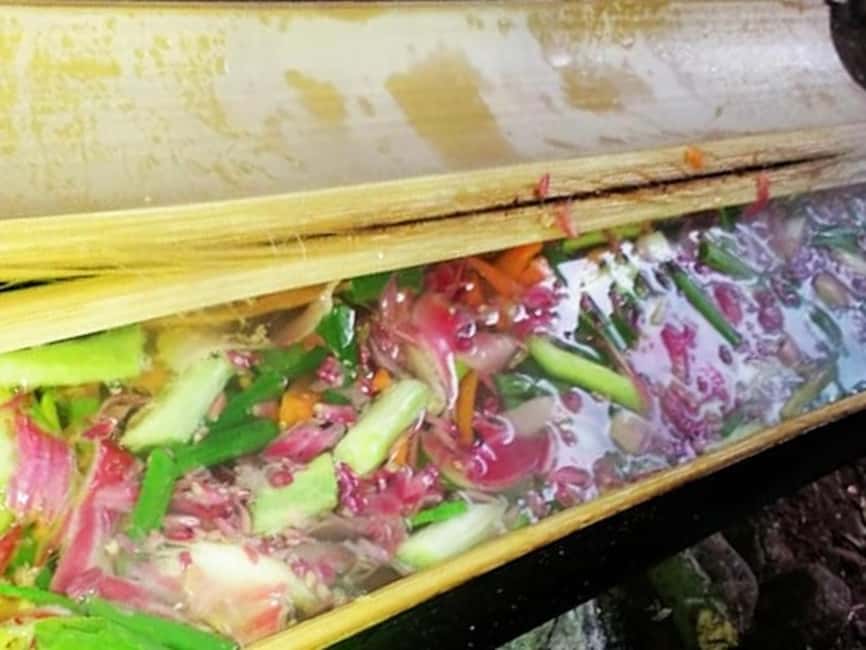
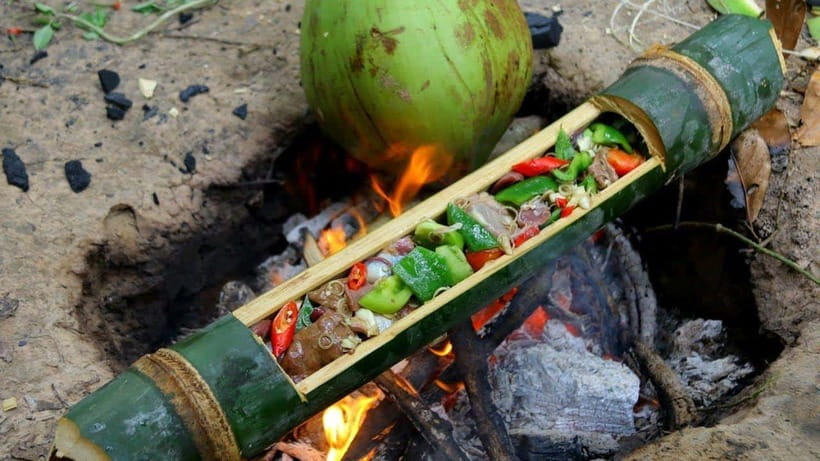
- The meal is cooked in the forest, with bamboo used for rice, grilling, serving, and utensils.
- The day runs from 9 AM to 3 PM, including a farm visit, forest work, lunch, and return transfer.
- The group is limited to 10 people, making this a quieter choice than a large cooking school.
- The $100 price includes transfers, ingredients, water, guide services, taxes, and entrance fees, but not tips or extra food and drink.
Why this Khmu cooking day feels different
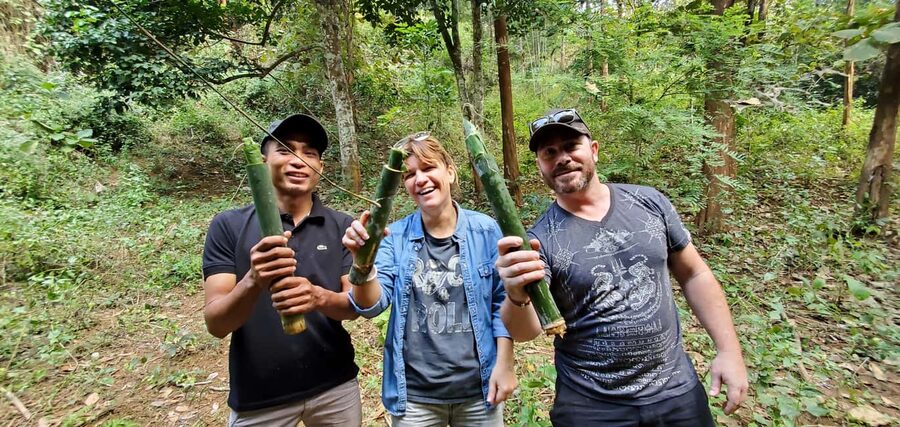
Many cooking classes in Luang Prabang begin at a market or a tidy teaching kitchen. This one begins with the question of how you would cook if your kitchen had to be made from the forest around you. You gather plants, select bamboo, shape utensils, and prepare lunch with simple tools.
That difference matters. You are not only learning a few Lao recipes to repeat at home. You are seeing how cooking connects with farming, forest plants, local materials, and daily life among the Khmu people. The meal is the final part of a longer lesson.
The day is led by an English, French, Thai, or Lao speaking guide. One guide named Peng has a Khmu background, grew up living off the land, and holds a degree in agriculture. If Peng leads your group, you can expect the plant and farming side of the outing to receive particular attention. Guide assignments can vary, so do not assume he will be your guide unless the operator confirms it.
The tone is practical and personal. You can take an active role in the work, or take a quieter position and watch more closely. That flexibility helps, but this is still best for people who want to get involved. If you prefer a polished kitchen, fixed recipes, and a seat at a table for most of the day, choose a standard cooking class instead.
More luang prabang bamboo weaving experiences in Luang Prabang:
- Luang Prabang: Bamboo Weaving Workshop & Cooking Class
★ 5.0 · 96 reviews - Day-time Bamboo weaving & Cooking Classes join-in
★ 5.0 · 38 reviews - Evening Bamboo weaving & Cooking classes join-in
★ 5.0 · 17 reviews
From the showroom to a working farm
The meeting point is the provider’s showroom, with hotel pickup and return transfer included. Exact pickup arrangements and starting times should be confirmed when you book, since the activity runs for six hours from about 9 AM to 3 PM.
Your first main stop is an authentic vegetable farm. Here, you pick the vegetables and plants needed for the meal. This gives the cooking a clear beginning: you see ingredients in the ground or growing around the farm before they reach your cooking space.
The guide explains how to identify plants used for food, medicine, and everyday village needs. That is one of the strongest parts of the day for me, since it adds useful local context to what could otherwise be a simple farm visit. You begin to see that a plant is not just an ingredient. It may also have a household or health-related use.
The information available does not provide a named farm, a fixed list of vegetables, or a guaranteed menu. Your meal may therefore vary with the season and available ingredients. That is a benefit if you want a genuine, changing experience, but it can be a drawback if you need to know the exact dishes in advance.
You should tell the operator about dietary preferences or restrictions before the day. Rice, meat, fish, fruit, and drinking water are provided, and the meal can be adjusted to suit your needs, but early notice is important.
Entering the forest with a Khmu guide
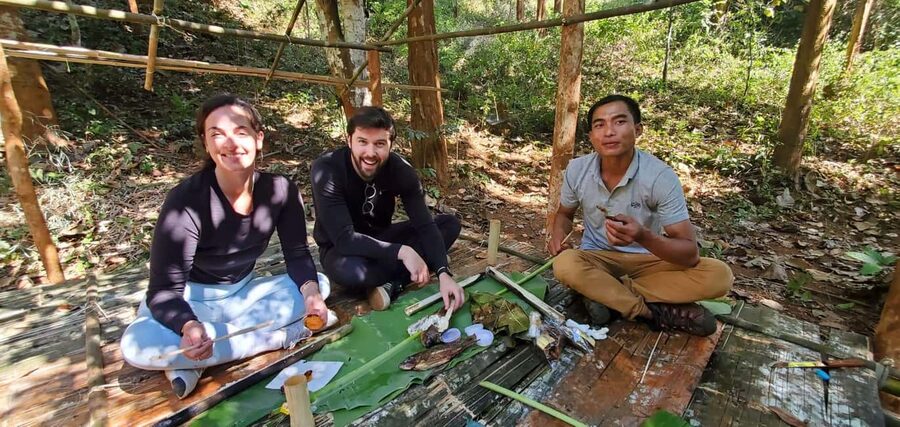
After the farm visit, you head into primary forest for the cooking part of the day. The setting is not a decorative outdoor kitchen built for tourists. Your group creates a cooking space using natural materials and learns how to choose bamboo for different jobs.
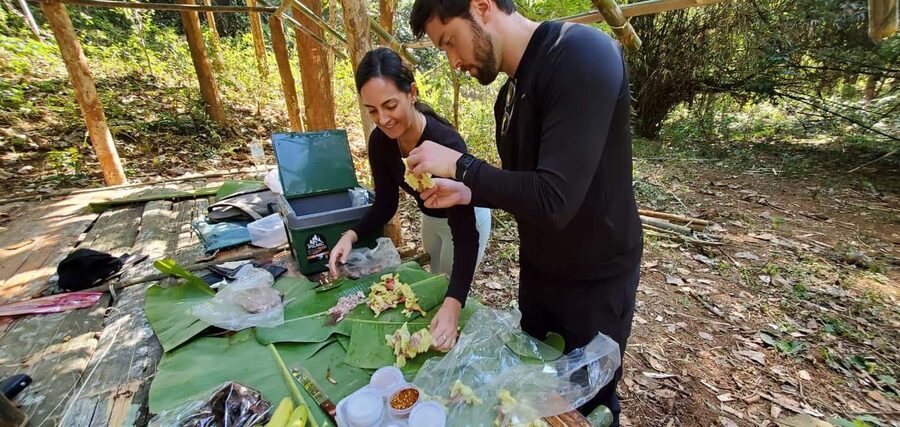
This is where the outing becomes more demanding and more memorable. You may cut bamboo, prepare sections for cooking, and shape pieces into tools for drinking and eating. The work is part of the lesson, not a staged photo stop.
The precise methods depend on the guide and the conditions that day. The main skills covered include selecting and preparing bamboo, making a cup and chopsticks, cooking fragrant rice, grilling meat or fish, and presenting the finished food in a traditional Khmu style.
I especially like the connection between the tool and the meal. A bamboo cup is not handed to you as a souvenir. You make it as part of the process, use natural materials during lunch, and then take the cup and chopsticks home. They will have more meaning than a quick purchase from a night market.
You should still set realistic expectations. Bamboo work is basic and hands-on. It may involve cutting and shaping material in the forest, so suitable footwear and clothes matter. The information provided does not promise seating, tables, or modern kitchen equipment. Think outdoor meal preparation, not a comfortable cooking studio.
Cooking rice, meat, or fish over natural heat
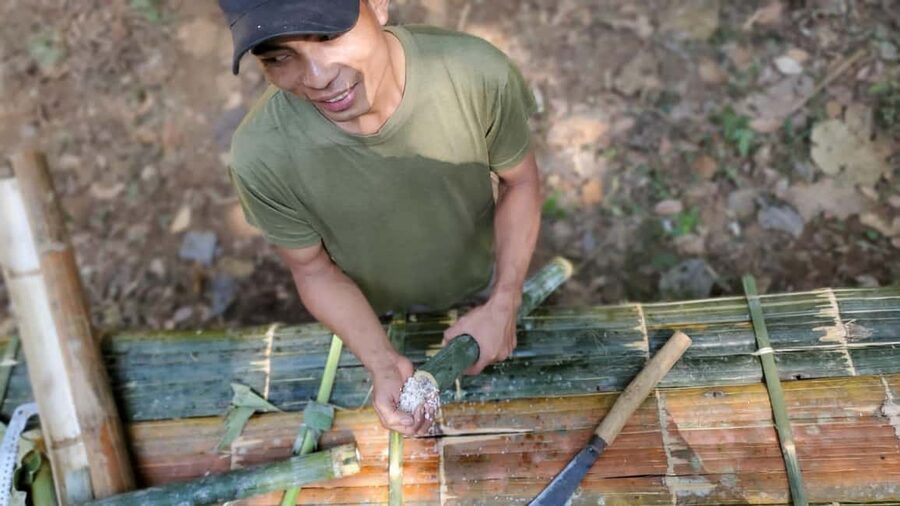
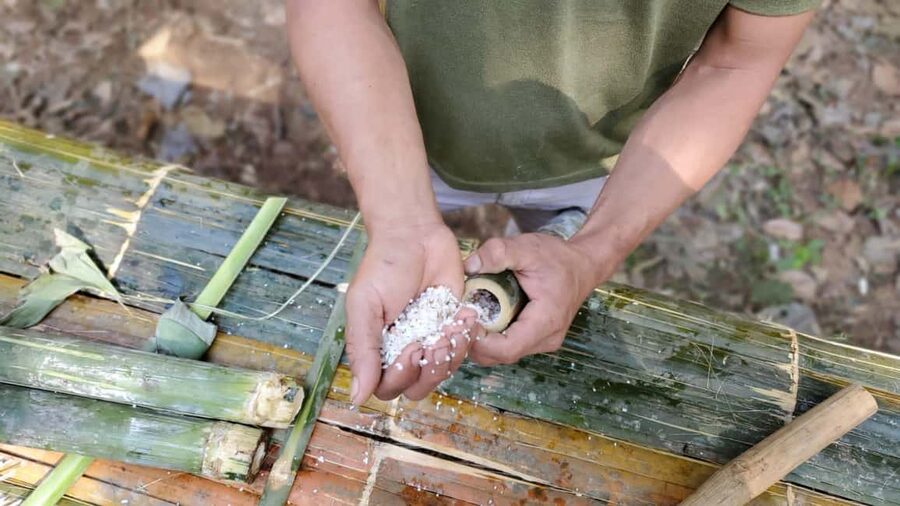
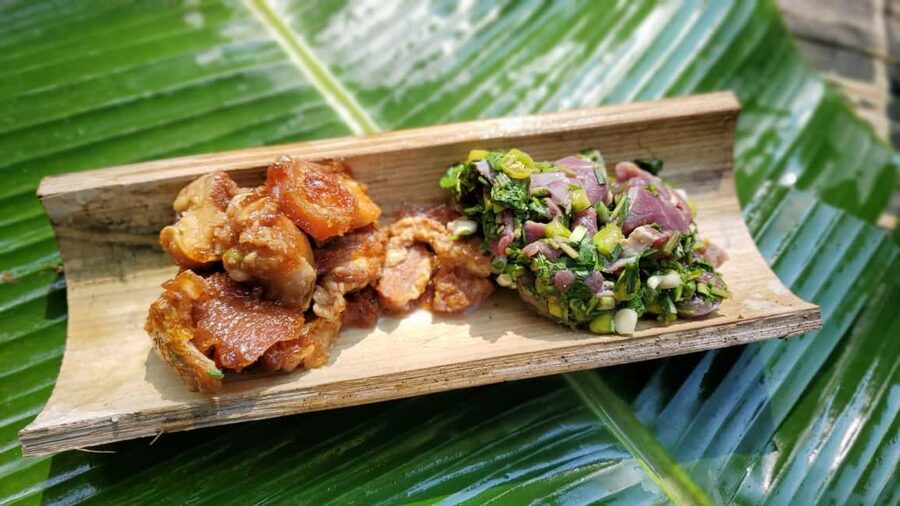
The menu centers on simple food cooked with forest methods. Bamboo is used to prepare fragrant rice, while meat or fish may be grilled. Fruits and other basic ingredients are included, and drinking water is supplied.
The value here is not culinary complexity. You are learning how heat, bamboo, food, and timing work together with very little equipment. A dish can taste good because the ingredients are fresh and the method is direct, not because it uses a long list of spices or restaurant techniques.
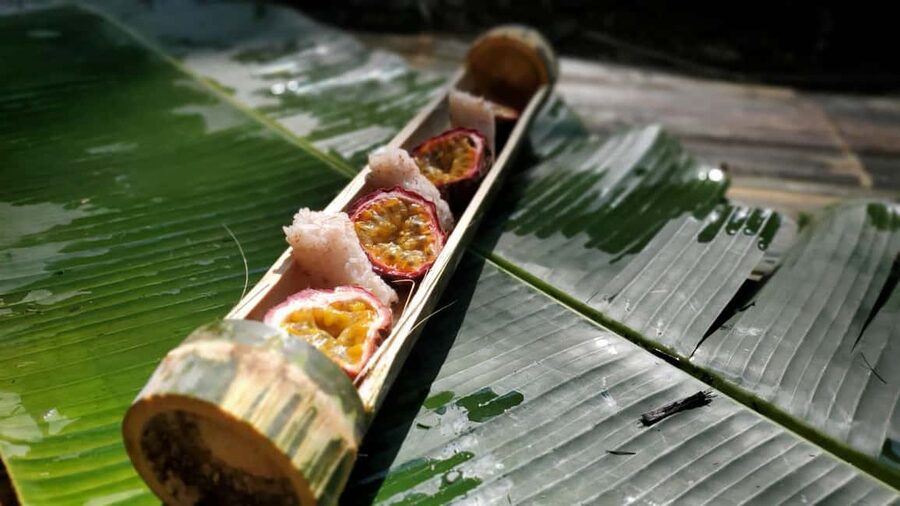
The guide also shows how food is presented in the Khmu tradition. Eating the meal in the forest gives the cooking a proper ending. You have gathered or selected some of the ingredients, made the tools, helped prepare the food, and then eaten it in the same setting where the cooking took place.
One practical point: additional food and drink are not included. The stated inclusions cover the meal ingredients and drinking water, but you should not expect a broad selection of extra refreshments. Bring any essential personal items you need for six hours away from your hotel.
The meal is likely to suit people who enjoy simple, local preparation. If you have strict dietary needs, allergies, or avoid meat and fish, contact the provider before booking so the ingredients can be tailored as far as possible. Do not wait until the farm visit to explain a restriction.
A few more Luang Prabang trips to weigh up
- Luang Prabang: Evening Cooking Class & Local Baci Ceremony
★ 4.9 · 151 reviews - Luang Prabang: Cooking Class at the Former Royal Palace
★ 4.9 · 51 reviews - Tribal Cooking Class in Luang Prabang Forest and visit
★ 5.0 · 15 reviews - Traditional Market Tour and Private Laotian Cooking Class with a Local
★ 5.0 · 13 reviews
A small group that leaves room to participate
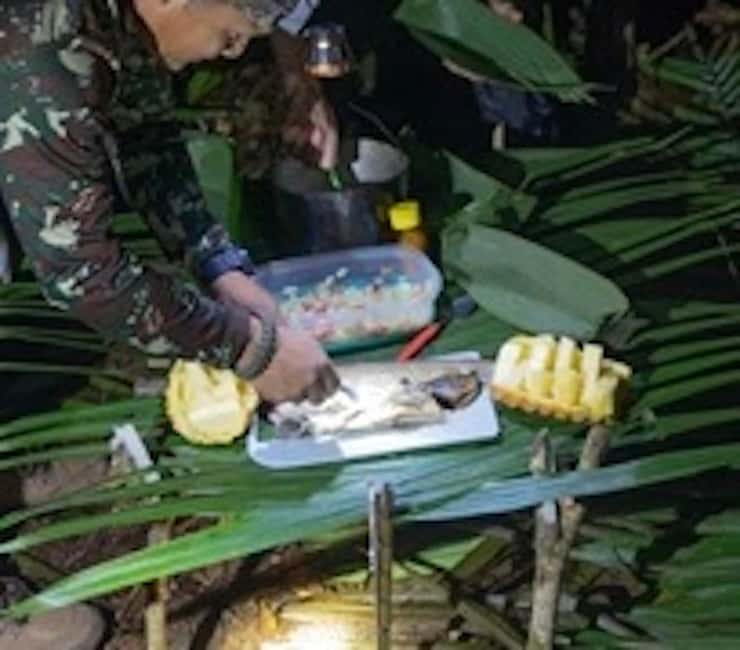
The group is limited to 10 people. That is a useful size for this activity because bamboo shaping, plant identification, and outdoor cooking all work better when the guide can see what each person is doing.
A large group would make the forest work less personal. With fewer people, you have more room to ask why a plant is used, how bamboo is selected, or how a cooking step works. The experience can also adjust to your interest. You can be as active as you like, though I would not book this if you intend to avoid all physical participation.
Communication is another strong point. The guide languages are English, French, Thai, and Lao. Peng, when assigned, brings a Khmu upbringing and agricultural training to the day. That combination is useful because the activity involves both cultural explanation and practical work.
Language availability can change by departure, so confirm your preferred language before paying. The provider is Laos SPIRIT, and the stated meeting point is its showroom rather than a public landmark.
What the $100 price really covers
At $100 per person, this is not the cheapest food activity in Luang Prabang. A basic cooking class may cost less, especially one held near town with purchased ingredients and a conventional kitchen.
The comparison changes when you count what is included here. You receive hotel transfers, all meal ingredients, rice, meat, fish, fruit, drinking water, a guide, tax, entrance fees, the farm visit, the forest session, lunch, and two handmade bamboo items to take home. The small group also adds value because the guide is not trying to manage a crowd.
I see the price as fair for someone who wants a cultural activity rather than only a meal. You are paying for time, transport, instruction, local interpretation, materials, and access to a traditional method that would be difficult to arrange on your own.
The price is less compelling if your main goal is to learn several Lao dishes in a form you can easily repeat at home. The meal is only one part of the experience, and much of the value comes from the setting and the Khmu approach to gathering and cooking.
Tips are not included. Extra food and drink are also separate, so plan for those costs if needed.
Clothing, insects, and the practical side of the forest
Wear long trousers or pants. This is the clearest clothing advice for the day, since you will walk in the forest and work with natural materials.
Choose footwear suitable for forest walking rather than sandals meant for town. Bring mosquito spray, a cap or hat, and any medication or personal items you need. You will spend much of the activity outside, and the guide cannot supply your normal travel essentials.
The six-hour schedule is long enough to feel like a real day out but short enough to fit into a Luang Prabang itinerary. You leave around 9 AM and return around 3 PM. The exact starting time should be checked when you select a date.
The information provided does not state a detailed accessibility plan, walking distance, terrain, restroom arrangements, or weather policy. If any of those points matter to you, ask before booking. The activity includes forest walking and hands-on bamboo work, so it should not be treated as a fully accessible or fully sheltered excursion without confirmation.
Free cancellation is available up to 24 hours before the activity for a full refund, and you can reserve now and pay later. Those terms are useful when your Laos schedule may change, but check the final booking conditions for your chosen date.
The optional craft village stop
On the way back, you may have an optional stop at a craft village. The information does not specify which village or how long the stop lasts, so treat it as an extra possibility rather than a central part of the six-hour plan.
The handmade bamboo cup and chopsticks already give you a personal souvenir. The craft stop can add another look at local making traditions, but the farm and forest cooking are the core of the outing. If your schedule is tight, ask how the optional stop affects your return time.
This is also a good reason not to plan a fixed appointment immediately at 3 PM. Transfers and the optional stop may need some flexibility.
Who should book this experience?
I would choose this outing if you want to connect food with daily life, local plants, and natural materials. It suits curious cooks, families with older children who can manage forest walking, and anyone who prefers a small local activity to a standard group class.
It is also a strong choice for visitors who have already seen Luang Prabang’s temples and markets and want a different side of the province. The focus is not on sightseeing landmarks. It is on how people make use of land, plants, bamboo, fire, and shared food.
I would pause before booking if you dislike insects, outdoor heat, rougher conditions, or working with your hands. I would also choose another class if you want a precise menu, written recipes, modern equipment, or a guaranteed indoor setting.
The experience has received a top rating from the small number of published bookings, with particular praise for its authenticity, clear communication, flexible participation, and the guide’s local background. The important point is not the score itself. It is that the activity delivers something specific: a forest-based Khmu cooking lesson rather than a tourist meal with a short demonstration.
Should you book the Khmu forest cooking day?
Book it if you want your cooking class to include farming, plant gathering, bamboo craft, and a meal cooked outdoors. The strongest reasons are the Khmu focus, the small group, the useful guide interpretation, and the chance to make and use your own utensils.
At $100, it asks more than a simple town cooking class, but the fee includes transport and nearly everything needed for the day. The fair question is not Is this the cheapest cooking class? It is Do I want a six-hour cultural activity built around traditional forest cooking?
If the answer is yes, bring long trousers, good walking shoes, mosquito spray, and a willingness to get involved. Tell the provider about food restrictions in advance, confirm the guide language, and leave room in your schedule for the optional craft village stop.
FAQ
How long does the experience last?
The activity lasts six hours, from about 9 AM to 3 PM. Check availability for the exact starting time on your chosen date.
Where does the activity begin?
The meeting point is the Laos SPIRIT showroom. Hotel transfer to and from the activity is included.
What languages can the guide speak?
Guides may speak English, French, Thai, or Lao. Confirm your preferred language when booking.
How many people are in the group?
The activity is offered as a small-group experience with a maximum of 10 participants.
What food and ingredients are included?
Basic meal ingredients are included, including rice, meat, fish, fruit, and drinking water. Additional food and drink are not included.
Can dietary restrictions be accommodated?
You should provide your dietary preferences or restrictions in advance so the meal can be tailored to your needs.
What do I take home?
You can take home the bamboo cup and chopsticks you make during the activity.
What should I wear and bring?
Bring long trousers or pants, suitable footwear for forest walking, mosquito spray, a cap or hat, and essential personal items such as medication.
Can I cancel or pay later?
You can cancel up to 24 hours in advance for a full refund. The activity also offers a reserve-now, pay-later option.
More Workshops in Luang Prabang
- Luang Prabang: Hmong Batik Art Workshop
★ 5.0 · 27 reviews - Luang Prabang: Weaving Workshop Half-Day Experience
★ 5.0 · 9 reviews - The Namkhan – Cooking Class
★ 5.0 · 8 reviews - Laos Cooking Class in Luang Prabang
★ 4.5 · 7 reviews
More Farms in Luang Prabang
- Living Land Rice Farming Experience
★ 5.0 · 93 reviews - Luang Prabang: Farm Tour and Buffalo Buffet Adventure
★ 4.7 · 11 reviews - Luang Prabang: Organic Farm Experience & Hike to Kuang si
★ 4.4 · 4 reviews
Just added around Luang Prabang
- The Namkhan – Yoga Class (8 am or 4 pm)★ 4.0 · 5 reviews
- Private Tour: Half-Day City Tour of Luang Prabang★ 4.5 · 4 reviews
- Sunset Cruise in Luang Prabang with Live Performance★ 4.5 · 3 reviews
- Unwind with a Sunset Cruise on the Mekong River★ 5.0 · 4 reviews
- Luang Prabang Foodie Walking Tour and Monk Blessing★ 5.0 · 7 reviews
- Luang Prabang Night-time Explorer★ 3.5 · 3 reviews
- Luang Prabang’s Beauty & Heritage in 1 Day – All-Inclusive Tour★ 5.0 · 6 reviews
- Luang Prabang Cooking, Pottery & Candle Experience★ 5.0 · 4 reviews
Luang Prabang Bamboo Weaving Experiences, compared.
Day-time Bamboo weaving & Cooking Classes join-in
Read our review →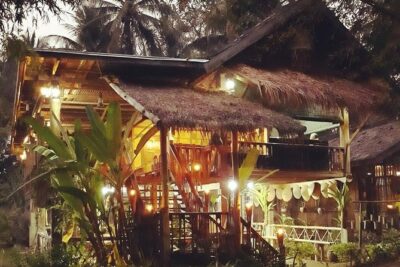
Evening Bamboo weaving & Cooking classes join-in
Read our review →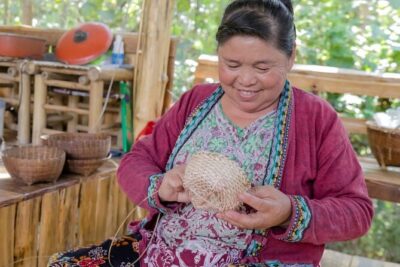
Browse the lists this tour appears in