
Reviewed · BUDDHA PARK TOURS
3 Days The Plain of Jars and Xieng Khouan (Depart from Luang Prabang)
The great draw here is the chance to connect the Plain of Jars with the people and places around it. This is not just a quick stop at a famous archaeological site. You travel through hill-country villages, visit a cave once used for shelter, see war remnants, and spend time in Phonsavan and nearby Xieng Khouang.
I like the private format, since your group can move at its own pace and ask plenty of questions. I also like the human detail: Hmong villages, the Ban Na Pia craft tradition, and the Mulberries silk farm give you more than ruins and photographs. Guides named Vone and Tin have been praised for careful planning, clear English, and attentive service.
The main drawback is the amount of time on the road. Luang Prabang to Phonsavan is listed as 260 kilometers, and the first day is a long transfer with several stops. Accommodation and meals are not included, and the advertised departure times differ slightly, so confirm the exact pickup before you go.
Key points at a glance
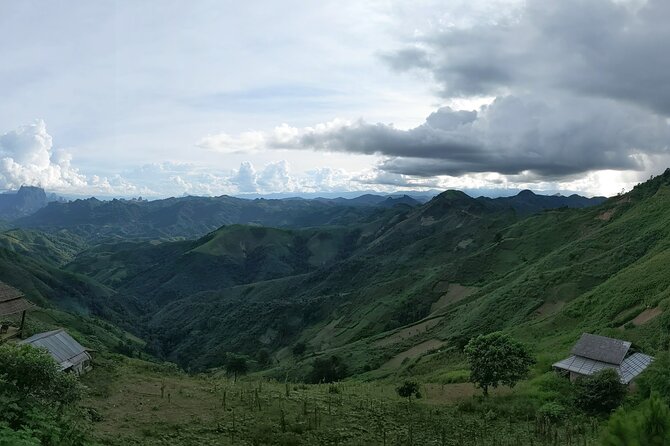
- A long but rewarding 260-kilometer road journey: The first day links Luang Prabang with Phonsavan through hill-tribe villages and rural northern Laos.
- Three distinct Plain of Jars experiences: You visit jar sites, see the old capital of Muang Khoun, and learn about unexploded ordnance at the MAG center.
- A closer look at local craft work: At Ban Na Pia, villagers reuse scrap metal from bombs to make spoons for sale.
- History beyond the ancient stones: Tham Pha Cave, Wat Phiawat, and the UXO center show different chapters of Laos’s past.
- Private transport and a personal guide: Only your group participates, with an air-conditioned vehicle included.
- A practical three-day pace: The schedule covers a lot, but meals and lodging must be arranged separately.
Why this route matters beyond the famous jars
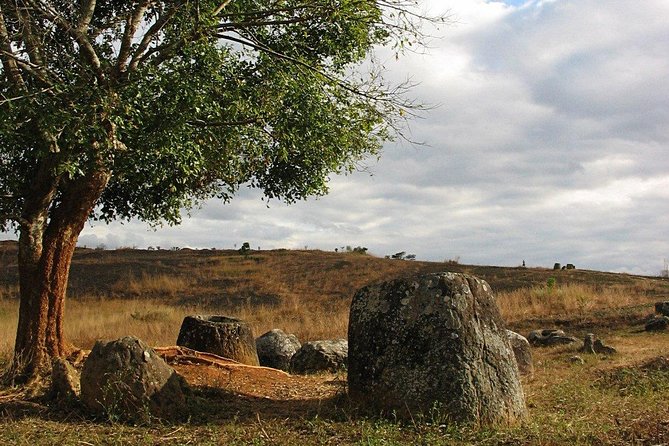
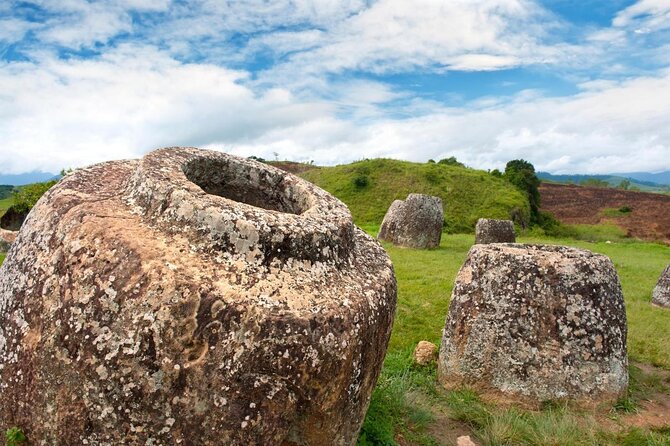
The Plain of Jars is one of Laos’s most unusual sights: broad open ground scattered with large stone vessels whose original purpose remains part of an enduring local mystery. The sites are fascinating on their own, but I think the better reason to take this three-day route is the wider story around them.
You see how old traditions, royal history, village life, and the legacy of the Second Indochina War overlap in Xieng Khouang. That combination gives the trip more weight than a simple archaeological outing. You are not only looking at stone jars. You are also seeing a province shaped by conflict and recovery.
The private setup helps here. Your guide can explain details in the moment, adjust the pace for your group, and give more attention to questions than a large coach tour usually allows. Previous guiding experiences with Vone and Tin were especially strong in this respect. Tin was praised for his English, care, and steady attention, while Vone was described as kind and good at keeping a demanding program on track.
That last point matters because the itinerary is full. You leave Luang Prabang, cross into a very different part of the country, tour several sites around Phonsavan, and begin the return journey within three days. It is a useful route for visitors with limited time, but it is not a slow, stay-in-one-place holiday.
More buddha park tours in Luang Prabang:
- Vientiane: Cultural Tour with Buddha Park and Patuxay
★ 4.6 · 74 reviews - Vientiane: Half-Day City Tour with Patuxai and Buddha Park
★ 4.5 · 57 reviews - Vientiane City Highlights Tour with Buddha Park & Lunch
★ 4.7 · 38 reviews
Day 1: From Luang Prabang to Phonsavan by road
The first morning begins at the Manifa Travel office on Sakkaline Road, opposite Villa Santi Hotel in Vat Sene Village. The meeting information gives an 8:00 am start, while the day-by-day schedule says 7:30 am. I would treat the earlier time as the safer guide and confirm the exact pickup when your booking is accepted.
The road distance to Phonsavan is listed as 260 kilometers. That is a serious transfer, so your expectations should be realistic. The value of the day comes from breaking up the journey with stops and views of rural life, not from reaching Phonsavan quickly.
Phou Khoun and the hill villages
The first scheduled stop is Phou Khoun, with about an hour set aside. Along the route, you stop at Hmong and other hill-tribe villages. The description emphasizes that local residents are friendly and welcoming, but you should still approach these visits with simple courtesy: ask before photographing people and remember that these are working communities, not staged attractions.
This section gives the drive a purpose. You see settlements away from Luang Prabang’s tourist center and get a sense of how varied northern Laos can be. The stop is also a useful chance to stretch your legs after the early departure.
Do not expect a full village program with a long list of organized activities. The stated plan is brief, so the experience may depend on the day, the road, and the local schedule. If you want more time for conversation or photography, ask your guide early about what is practical.
Tham Pha, the Buddha Cave near Nong Tang
Later, the vehicle continues to Nong Tang, where you visit Tham Pha Cave, also called Tham Phra or Buddha Cave. The site contains Buddha images said to be more than 200 years old. The cave also served as a hospital and shelter during the Indochina War.
That combination makes this a memorable stop. The religious objects connect the place to local belief and practice, while the wartime use shows how ordinary people adapted sacred and natural spaces during danger. You get two very different stories in one hour.
The stop is included without a separate admission charge, as are the other listed sightseeing visits. Still, the schedule is compact. This is a guided look rather than an extended cave expedition, so keep your expectations focused on the historical and cultural meaning of the site.
After Tham Pha, you continue to Phonsavan. The day may feel tiring, especially after leaving Luang Prabang early, but the route is a major part of the experience. The air-conditioned vehicle is a practical inclusion on a long road day.
More plain of jars tours in Luang Prabang:
- Plain of jars tour with local guide
★ 4.5 · 8 reviews - Plain of jars share group tour
★ 5.0 · 4 reviews - Plain of jars private tour
★ 5.0 · 3 reviews
Day 2: Stone jars, bomb scrap, and the old Phuan capital
Day two is the heart of the tour. After breakfast, you spend the day visiting the Plain of Jars and sites connected to Xieng Khouang’s history. The schedule gives about an hour to each main stop, with the return to Phonsavan planned for around 4:00 pm.
Plain of Jars Site 2
One of the main visits is Jar Site 2, known locally as Hai Hin Hoo Sarat. It lies about 20 kilometers southwest of Phonsavan. The site gives you a second look at the jar tradition in a setting away from the town itself.
Your guide’s role is important here. The stone vessels invite speculation, but the useful experience is learning what is established, what remains uncertain, and how the sites fit into the wider story of the region. The schedule allows an hour, enough for a guided visit without turning the day into a marathon at one location.
The open setting can also make the site feel exposed and quiet. Bring practical clothing and footwear suitable for walking, although the supplied information does not specify the exact walking conditions. Ask your guide about the approved paths and stay within marked areas, since the province’s wartime history makes sensible site discipline especially important.
Ban Na Pia and spoons made from UXO scrap
Near Site 2, you visit Ban Na Pia. Villagers there reuse metal from unexploded bombs, commonly called UXO, to make spoons and other objects sold as souvenirs.
This is one of the most useful stops on the route because it links history to present-day household income. The war is not treated as a distant subject in a museum. Its material remains have become part of a local craft economy.
The visit also gives you a more thoughtful way to buy a souvenir. Instead of picking up a generic item, you can consider a spoon made through a village practice shaped by the area’s past. The description specifically identifies spoons as products for sale, but it does not promise a particular selection or price, so ask locally if you plan to purchase.
The stop is scheduled for about an hour. That is enough time to understand the process and browse, but perhaps not enough for a long workshop or detailed demonstration. The best approach is to stay curious and let the guide explain what is happening.
Wat Phiawat and Muang Khoun
In the afternoon, the route goes to the ancient capital of Muang Khoun, once the royal capital of the Phuan Kingdom and later the center of the French colonial province. Wat Phiawat is the named stop.
This visit broadens the day beyond prehistoric jars. You are looking at a former seat of power and a place connected to the political history of the Phuan people. The site also helps explain that Xieng Khouang was not simply a remote rural area. It had its own royal and administrative importance.
The supplied description notes that Muang Khoun was a major city along an important route, though it does not give a full list of surviving structures. I would listen carefully to your guide here, since the value of the stop rests heavily on local explanation. Guides such as Tin and Vone have been praised for making cultural details clear and personal rather than rushing from one photo stop to the next.
MAG UXO Visitor Information Centre
Around 4:00 pm, you return to Phonsavan to visit the MAG UXO center and the official tourist information center. This is an essential part of the day, not an optional add-on.
The Plain of Jars is often presented through its ancient mystery, but the province also carries the consequences of modern warfare. The UXO center helps you understand why marked paths and careful site management matter. It also gives context to the metalwork at Ban Na Pia.
I appreciate the order of the day. You first see the archaeological sites and village craftwork, then finish with a place designed to explain the wartime legacy. That sequence makes the history easier to connect. It also prevents the tour from treating the jars as an isolated curiosity.
Allow yourself time to think after this visit. The day includes several different subjects, and the UXO material can be sobering. A private guide can help you ask questions in a respectful setting.
Day 3: Markets, silk, and the trip back
The final morning begins after breakfast with a short visit to the morning market and the Mulberries Organic Silk Farm. The schedule then starts the journey onward, although the supplied details do not state the exact final drop-off point.
Phonsavan’s morning market
A market visit is a simple but useful way to see daily life before the return drive. You may find local food, household goods, and produce, although the exact stalls change from day to day and are not specified.
I like this kind of stop because it keeps the tour grounded. After two days of major historical sites, the market shows the ordinary rhythm of the town. Keep the visit short and observant, as the itinerary treats it as an introduction rather than a long shopping session.
Mulberries Organic Silk Farm
At the fair-trade Mulberries farm, you can observe silk production from cocoons to colorful scarves. This gives you a clear look at the labor behind a finished textile.
The stop is valuable even if you are not shopping. Seeing the process helps you understand why handmade silk costs more than a factory-made scarf. If you do buy something, the fair-trade setting gives the purchase a direct connection to local production, though the tour details do not state what products or prices will be available.
The farm also provides a gentler final activity after the heavier subjects of day two. It is cultural, practical, and easy to understand without requiring a long explanation.
What the $540 price includes, and what it does not
At $540 per person, this is not a budget transfer. The price needs to be judged against the private format, the three-day duration, the air-conditioned vehicle, the sightseeing program, and the guide service.
The package includes all sightseeing described in the program, an air-conditioned vehicle, and all fees and taxes. Since only your group participates, you are paying for a more personal arrangement rather than a seat on a large shared excursion.
The price does not include accommodation or meals. That is the biggest cost issue to plan around. Accommodation can be requested, but it is not part of the stated price. You should also budget separately for food and any personal purchases at places such as Ban Na Pia or the silk farm.
I would consider the price more reasonable for a small group that values a private vehicle and a guide who can explain the sites well. For one person, or for someone mainly seeking transport from Luang Prabang to Phonsavan, it may feel expensive. Group discounts are offered, so the per-person value may improve if you are traveling with several people.
Who will get the most from these three days?
I would recommend this tour to you if you want several sides of Xieng Khouang in one organized trip. It suits visitors who care about archaeology, local culture, royal history, and the continuing effects of war.
It is also a good fit if you prefer a private tour. The guide names associated with strong service include Vone, Tin, and Mr. Latte, although the assigned guide is not guaranteed in the supplied information. Vone is described as kind and effective at handling a packed schedule. Tin is noted for excellent English, professional care, and thoughtful attention.
You should think twice if you dislike long road journeys or prefer a slow itinerary with plenty of free time. The route covers a lot in three days, and the first day in particular is built around a long transfer.
Most travelers can participate, according to the tour information. The activity is private, but no specific accessibility details are provided, so ask the operator if you have mobility concerns or need special arrangements.
Practical details before you book
Pickup is offered, with the listed starting point at the Manifa Travel Luang Prabang office on Sakkaline Road. The advertised start time appears as both 7:30 am and 8:00 am in different parts of the information, so confirm the final time within the 48-hour booking confirmation.
The tour ends in a different location from the start, but the supplied details do not name that final point. Ask where you will be dropped off before making hotel or transport plans.
Your booking is confirmed within 48 hours, subject to availability. Cancellation is generous only if handled early: cancel at least six full days before the start for a full refund. Cancellation two to six full days ahead allows a 50 percent refund, while cancellation less than two full days before departure receives no refund. Changes follow the same cutoff rules.
Should you book the Plain of Jars tour?
Book it if you want the Plain of Jars to be part of a larger story. The strongest features are the private guide, the village visits, the Ban Na Pia metalwork, Tham Pha Cave, Muang Khoun, and the MAG UXO center. Together, they make Xieng Khouang feel like a living province rather than a single archaeological stop.
Before booking, make peace with the long road journey, arrange accommodation and meals, and confirm both the departure time and final drop-off. If you have three days and want a structured, history-focused route from Luang Prabang, the $540 price can make sense, especially for a group sharing the private arrangement.
FAQ
How long is the tour?
The experience lasts approximately three days.
Where does the tour start?
It starts at the Manifa Travel Luang Prabang office on Sakkaline Road, opposite Villa Santi Hotel in Vat Sene Village, Luang Prabang.
What time does the tour depart?
The meeting information lists an 8:00 am start, while the day-one schedule lists 7:30 am. Confirm the exact departure time with the operator.
Is this a private tour?
Yes. Only your group participates in the activity.
Is transportation included?
Yes. An air-conditioned vehicle is included.
Are meals included?
No. Meals are not included in the stated price.
Is accommodation included?
No. Accommodation is not included, though it is available upon request.
What is the cancellation policy?
You can receive a full refund by canceling at least six full days before the start time. Cancellation two to six full days ahead provides a 50 percent refund. Cancellations less than two full days before the start receive no refund.
More 3-Day Experiences in Luang Prabang
- Luang Prabang: 3-Day Cultural Remote Trek With Homestay
★ 4.9 · 9 reviews - Luang Prabang: Nong Khiaw 3-Day Trekking & camping, Homstay
★ 5.0 · 9 reviews
Just added around Luang Prabang
- The Namkhan – Yoga Class (8 am or 4 pm)★ 4.0 · 5 reviews
- Unwind with a Sunset Cruise on the Mekong River★ 5.0 · 4 reviews
- Private Tour: Half-Day City Tour of Luang Prabang★ 4.5 · 4 reviews
- Sunset Cruise in Luang Prabang with Live Performance★ 4.5 · 3 reviews
- Luang Prabang’s Beauty & Heritage in 1 Day – All-Inclusive Tour★ 5.0 · 6 reviews
- Luang Prabang Foodie Walking Tour and Monk Blessing★ 5.0 · 7 reviews
- Luang Prabang Night-time Explorer★ 3.5 · 3 reviews
- Laos Buffalo Dairy Tours Interact, Learn and Taste Fresh Flavors★ 5.0 · 6 reviews
Buddha Park Tours, compared.
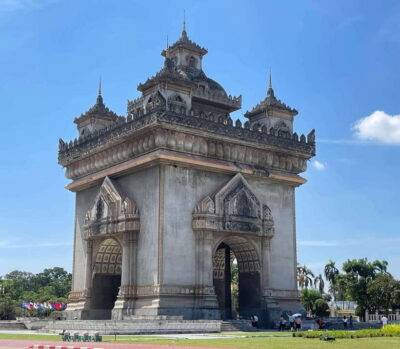
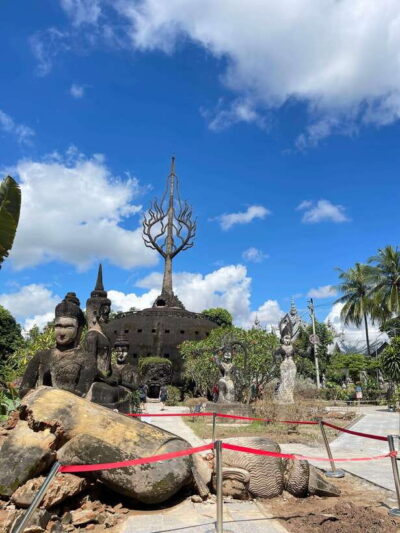
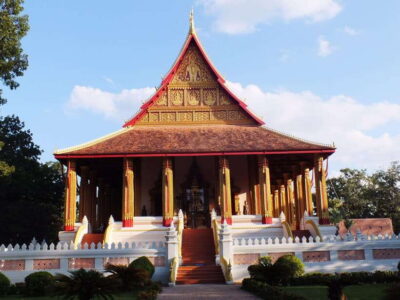
Vientiane City Highlights Tour with Buddha Park & Lunch
Read our review →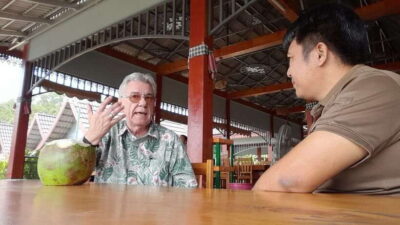
Private Full-Day Tour with Buddha Park and Lunch
Read our review →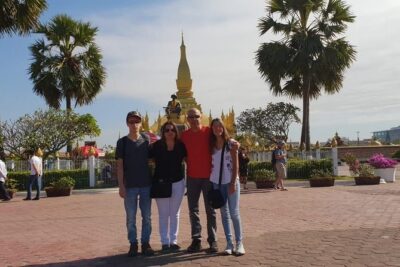
Private Tour: Vientiane City Tour Full Day with Buddha Park
Read our review →Vientiane Private Full-Day Tour with Buddha Park and Lunch
Read our review →
Guided Vientiane City and Buddha Park Full-Day Tour
Read our review →
Vientiane City Day Tour and Buddha Park Visit with Lunch | Laos
Read our review →Browse the lists this tour appears in